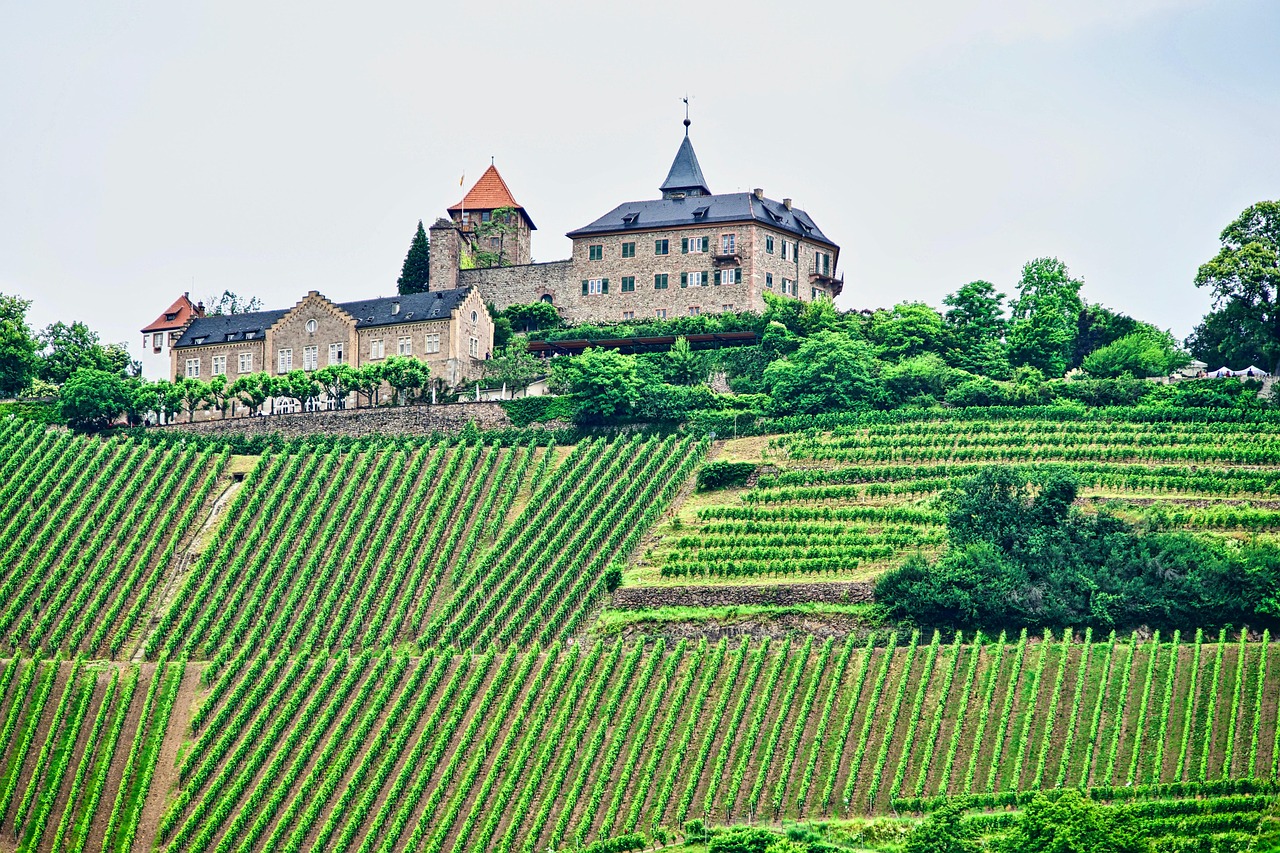
In today's dynamic economic landscape, understanding the real estate market is crucial for both investors and homeowners, especially when considering Rural Estates. The ever-shifting trends and unique dynamics of these areas demand a deep dive into their specific challenges and opportunities. This article serves as your authoritative guide, offering insights into the current state of the rural real estate market. We'll dissect key factors influencing property values, explore emerging trends, and provide actionable strategies for navigating this distinct segment effectively. By the end, readers will be equipped with the knowledge to make informed decisions in Rural Estates.
Analyzing Rural Estates Market Trends: A Deep Dive
The rural estates market has been undergoing a significant transformation in recent years, with trends that are reshaping the landscape of property investment and lifestyle choices. This segment, often overlooked in the past, is now gaining prominence as buyers seek more expansive, nature-centric properties. A deep dive into this market reveals a growing demand for rural estates, driven by factors such as the allure of open spaces, a desire for privacy, and the potential for sustainable living. For instance, according to recent surveys, the search for larger homes with ample outdoor spaces has surged by 25% year-on-year, with over 60% of prospective buyers explicitly citing rural settings as their first choice.
One notable trend is the increasing popularity of off-grid and sustainable living solutions within rural estates. Homeowners are embracing eco-friendly technologies, such as solar panels, wind turbines, and water recycling systems, not only to reduce their carbon footprint but also to enhance property values. This shift towards sustainability is further evidenced by the growing interest in homesteading and agriculture. Many buyers are investing in land for farming, beekeeping, or raising livestock, reflecting a desire to reconnect with nature and cultivate a more self-sufficient lifestyle. West USA Realty has noted a particular surge in interest among young professionals seeking to balance their urban careers with a rural retreat that offers peace and tranquility.
Moreover, the remote work revolution has played a pivotal role in fueling this trend. With many employees now having the flexibility to work from anywhere, there's a growing preference for homes situated in picturesque, tranquil settings. This tempe shift has led to a re-evaluation of rural estates as not just weekend getaways but as primary residences that offer a higher quality of life. As a result, developers are responding by creating innovative, modern rural estate communities that blend contemporary design with traditional amenities. These developments prioritize connectivity through fiber optics and high-speed internet while preserving the natural beauty of the surroundings. Such advancements make rural living more accessible and appealing to a wider audience, ensuring that this market continues to evolve dynamicky in response to changing lifestyles and preferences.
Understanding Key Drivers Shaping Rural Real Estate
The rural real estate market, often overlooked in favor of urban trends, is experiencing a renaissance, driven by several key factors reshaping the landscape of property investment. One of the primary catalysts is the allure of spacious living and a closer connection to nature, which has become increasingly appealing post-pandemic era. As individuals seek more expansive homes with outdoor amenities, rural estates naturally cater to this demand, offering not just residences but entire retreats for those seeking tranquility and seclusion.
Demographic shifts also play a significant role in this market's evolution. The rise of remote work opportunities has encouraged professionals to relocate to less congested areas, many of which are rural communities. This trend is particularly pronounced among young families and digitally native professionals who prioritize lifestyle choices that align with their values. For instance, the allure of raising children in a more open, natural setting has led to a surge in interest for rural properties, putting upward pressure on prices and fueling development in previously underserved regions.
Furthermore, government initiatives and incentives targeted at fostering rural growth add another layer of momentum. Tax breaks, grants, and infrastructure investments aimed at revitalizing small towns and countryside areas have made owning property in these regions more attractive. This is especially true for investors looking to diversify their portfolios with alternative assets. West USA Realty, a leading real estate brand, has noticed this shift, advising clients to explore rural estates as a strategic investment option, given the potential for substantial returns and the growing desirability of these properties among a broader range of buyers.
Navigating Opportunities in the Rural Estates Sector
The rural estates sector is experiencing a resurgence, offering unique and lucrative opportunities for investors and buyers seeking a quieter, more tranquil lifestyle. This niche market, often overlooked in the past, is now gaining significant traction, especially as urban areas become increasingly crowded and expensive. The appeal of rural living is undeniable, with its wide-open spaces, scenic landscapes, and a slower pace of life. West USA Realty, a leading real estate firm, has noticed a distinct shift in demand, with many clients actively seeking properties in this category.
Navigating this market requires a nuanced understanding of local trends and the specific needs of potential buyers. One of the key advantages of rural estates is the diverse range of property types available, from charming historic homes to modern, self-sufficient off-grid living spaces. For instance, in recent years, there has been a surge in interest for land and properties suitable for farming, sustainable living, and recreational purposes. According to a recent study, the demand for rural residential properties has risen by 25% in the last decade, with younger generations actively pursuing alternative lifestyles. This trend is particularly prominent in areas known for their natural beauty, such as certain regions in the American Midwest and West.
To capitalize on these opportunities, real estate professionals should emphasize the benefits of rural living, such as reduced property taxes, lower crime rates, and a stronger connection to nature. For investors, the potential for diversification and long-term growth is significant. For instance, purchasing rural land for agricultural purposes can offer steady income through crop sales or livestock farming. Additionally, with careful planning, developers can create sustainable communities, catering to eco-conscious buyers. This emerging market presents a fascinating opportunity to blend modern lifestyles with the serenity of nature, and experts suggest that those who embrace this trend will be well-positioned to thrive in the evolving real estate landscape.