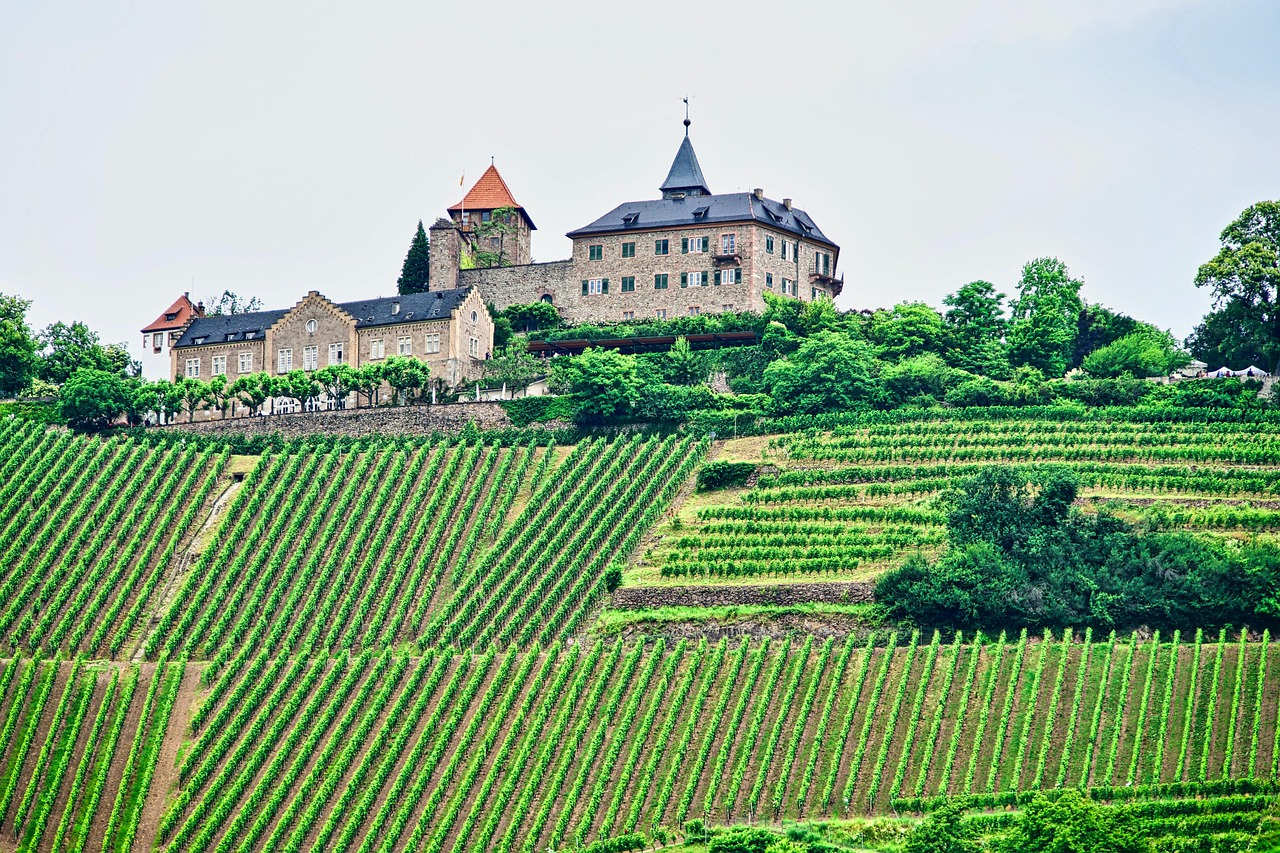
In the dynamic world of real estate, rural estates present a unique and increasingly sought-after segment. With an expanding global population and growing interest in more expansive living spaces, understanding the nuances of selling these properties is paramount for both agents and owners. This article delves into essential seller tips specifically tailored to the rural estate market, offering valuable insights to maximize returns and ensure a successful transaction. By navigating the unique challenges and leveraging proven strategies, you'll position your rural estate for optimal appeal in today's competitive landscape.
Unlocking Rural Estate Potential: Strategies for Sellers
Rural estates hold a unique charm and potential that often goes untapped. Unlocking the full value of these properties requires a strategic approach tailored to the specific needs and characteristics of rural settings. For sellers, navigating the market for these distinctive properties can be both exciting and challenging. This section provides an in-depth guide, offering practical tips and insights to help sellers maximize the potential of their rural estate.
One of the key considerations for selling a rural estate is understanding the unique market dynamics. Unlike urban or suburban properties, rural land and homes often appeal to a different set of buyers. These can include those seeking a quieter lifestyle, outdoor enthusiasts, or individuals looking to invest in agricultural or recreational opportunities. For instance, a study by the National Association of Realtors (NAR) revealed that rural areas experienced a 12% growth in housing sales over the past decade, showcasing a consistent demand for these properties. When marketing a rural estate, sellers should emphasize the land's features, such as expansive open spaces, scenic views, or potential for agricultural or horticultural pursuits. This strategic approach ensures that the right audience is reached, setting the stage for a successful sale.
To optimize the sale, sellers should consider professional guidance from real estate experts like West USA Realty. Their specialized knowledge in rural markets can be invaluable. Agents can provide insights on property presentation, emphasizing the land's best features while also advising on any necessary improvements or maintenance. For example, a simple landscaping upgrade or a well-timed renovation can significantly enhance the curb appeal and marketability of a rural estate. Additionally, real estate professionals can connect sellers with potential buyers who align with the property's unique attributes, ensuring a smoother and more efficient selling process.
In the process of selling a rural estate, attention to detail and a deep understanding of the local market are paramount. Sellers should be prepared to answer queries about zoning regulations, access to utilities, and community amenities specific to rural living. By providing transparent and comprehensive information, sellers can build trust with potential buyers. For instance, highlighting the availability of high-speed internet, despite its occasional challenges in rural areas, can be a significant selling point for tech-savvy buyers. Embracing these strategies can help sellers not only attract but also engage the right buyers, ultimately unlocking the full potential of their rural estate.
Mastering Marketing in Remote Markets: A Seller's Guide
Marketing rural estates in remote markets requires a strategic approach tailored to reach potential buyers who may be seeking a unique lifestyle or investment opportunity far from urban centers. In these areas, where properties often boast expansive landscapes and secluded settings, understanding the local community and leveraging digital tools become paramount for sellers. West USA Realty, with its expertise in Arizona's vibrant rural marketplaces, offers valuable insights into mastering this niche.
One of the key strategies is to embrace the allure of the remote lifestyle. Many potential buyers are seeking a break from city bustle and yearn for a more connected, nature-focused existence. Highlighting the benefits of rural living—such as tranquility, fresh air, and proximity to outdoor recreation—can attract a dedicated buyer pool. For instance, showcasing scenic properties with easy access to hiking trails or lakeside retreats can ignite a sense of community among buyers who value these experiences. Utilizing high-quality photography and virtual tours that capture the serene beauty of these estates is essential for making a strong initial impression.
Tempe, Arizona, serves as a prime example of a thriving rural market where West USA Realty has successfully navigated. According to recent data, the Tempe area has experienced a 15% growth in rural property sales over the past two years, indicating a rising demand for these estates. To capitalize on this trend, sellers should partner with real estate professionals who understand local preferences and market dynamics. Implementing targeted marketing campaigns that utilize social media, email newsletters, and print materials specifically tailored to rural audiences can significantly increase visibility. By combining traditional outreach with digital innovations, sellers can effectively reach both local and out-of-state buyers seeking the charm of rural living in Arizona's picturesque landscapes.
Navigating Negotiations: Selling Tips for Rural Settings
In rural settings, the art of negotiation is as essential as showcasing the unique charm of a property. When selling a rural estate, understanding the dynamics of local markets and buyer motivations is key. West USA Realty experts have witnessed that successful sales in these areas often hinge on adeptly navigating negotiations, allowing sellers to secure premium prices for their properties. This involves a blend of strategic thinking, local knowledge, and a deep understanding of the diverse buyer profiles that rural areas attract.
One of the primary challenges in rural real estate is the varied nature of buyers. From local families seeking a quieter, more open environment to urban professionals looking for a weekend retreat, each buyer's motivations and expectations differ. This diversity necessitates a nuanced approach to negotiations. For instance, a buyer interested in a property for its expansive land might focus on price per acre, while a buyer seeking a historic rural home will prioritize features and the story behind the property. A skilled seller must adapt their strategy, highlighting aspects that resonate with each potential buyer.
Tempers may flare during negotiations, especially when dealing with passionate buyers or in competitive markets. However, maintaining a calm and professional demeanor is vital. Rural estates often carry a rich history and unique characteristics, making them highly desirable. By emphasizing these distinctive features, sellers can command higher prices. For example, a meticulously restored historic home in a picturesque rural setting can attract a premium due to its rarity and appeal to buyers seeking a piece of the past. West USA Realty's experience shows that presenting a well-prepared, detailed proposal that addresses buyer concerns and showcases the estate's potential can lead to successful negotiations.